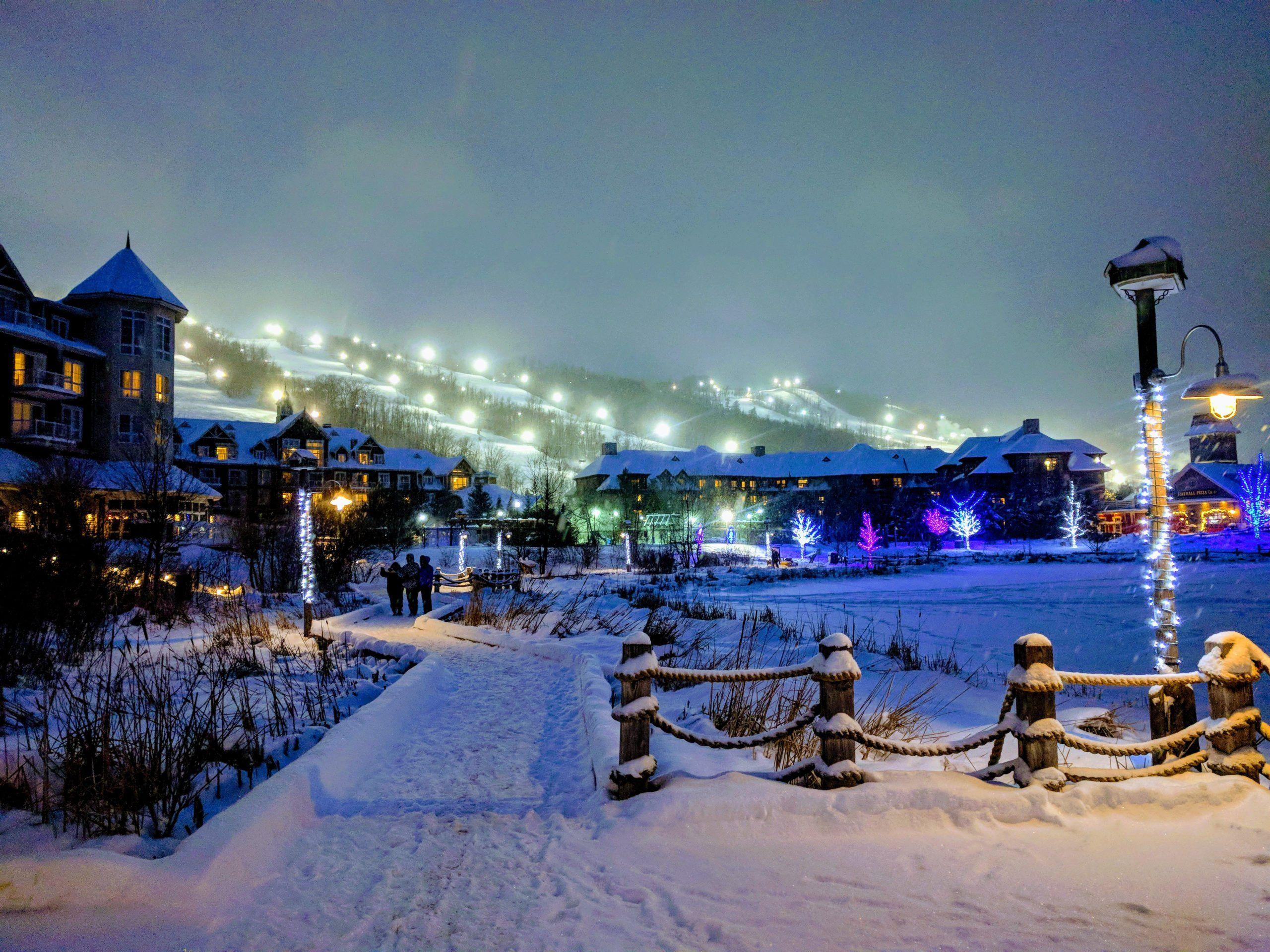
Ontario (a province in Canada) is located right between Quebec and Manitoba. Known for being particularly flat, much like the provinces of Manitoba and Saskatchewan, it’s still possible to ski on modest and varied terrains. Ontario isn’t exactly a ski destination, but if you’re wondering what the options are in this part of Canada, here are a few slopes worth checking out!
Snow and climate in Ontario
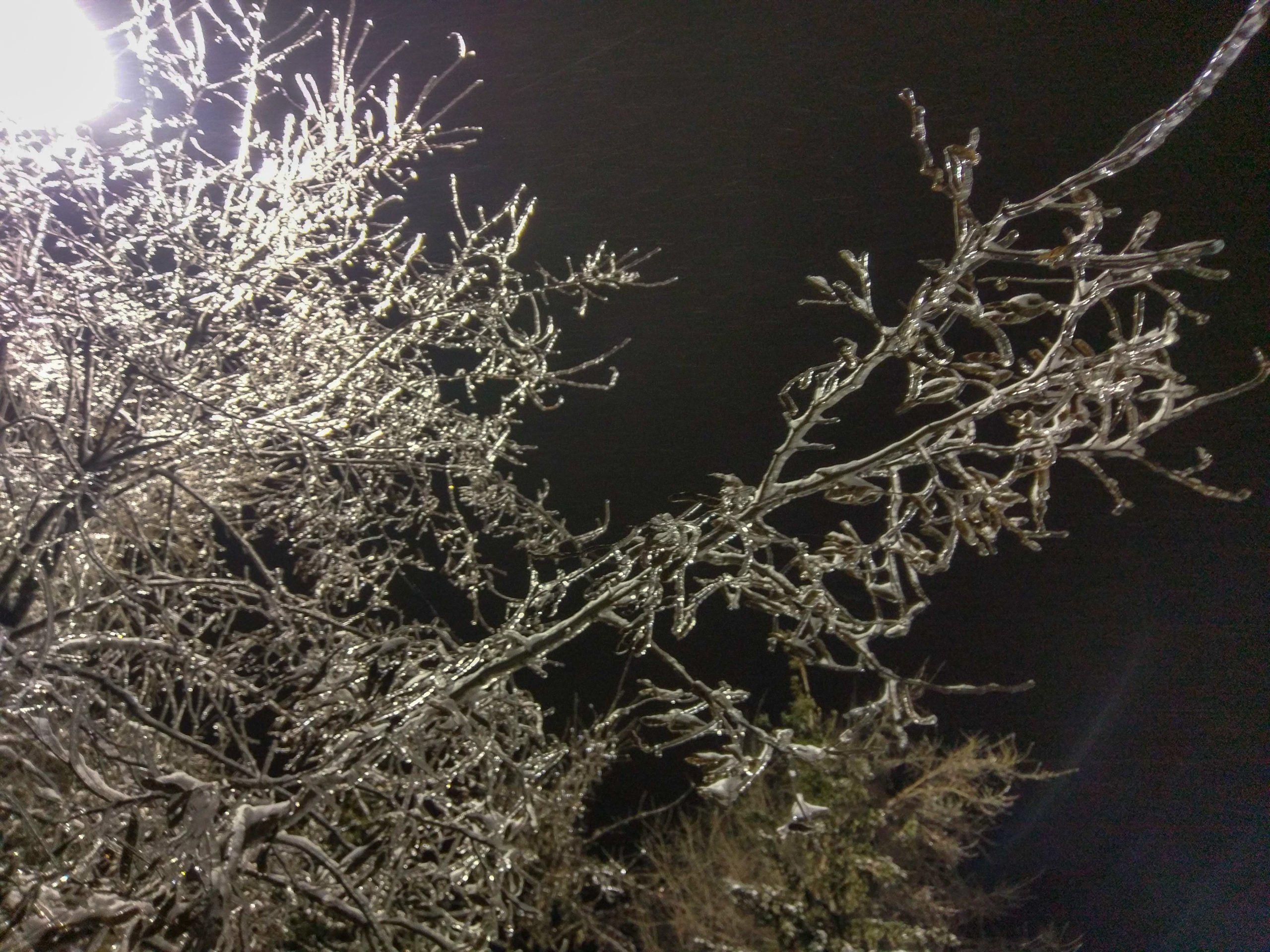
Even though Ontario is vast, most of the ski resorts and the population live in the southern part. So that’s the part of the province I’ll focus on. Nestled between the Great Lakes, the climate is often unpredictable and not ideal for major skiing. Snowfall is usually decent, and the temperatures are generally cold enough to keep it on the ground. But sudden temperature swings and humid spells followed by cold snaps turn the slopes into pure ice. No exaggeration, they become literal skating rinks. And in those conditions, skiing is more dangerous than fun.
Ski season duration
The season starts in December or whenever there’s enough snow to cover the grass. It usually ends abruptly as soon as spring returns, sometime in March. Early warmth and Ontario’s generally low elevation leave no chance for the snow to stick around.
Terrain in Southern Ontario
The highest peaks in Ontario are around 600 to 700 meters, but they’re up north and pretty hard to reach.
The Niagara Escarpment
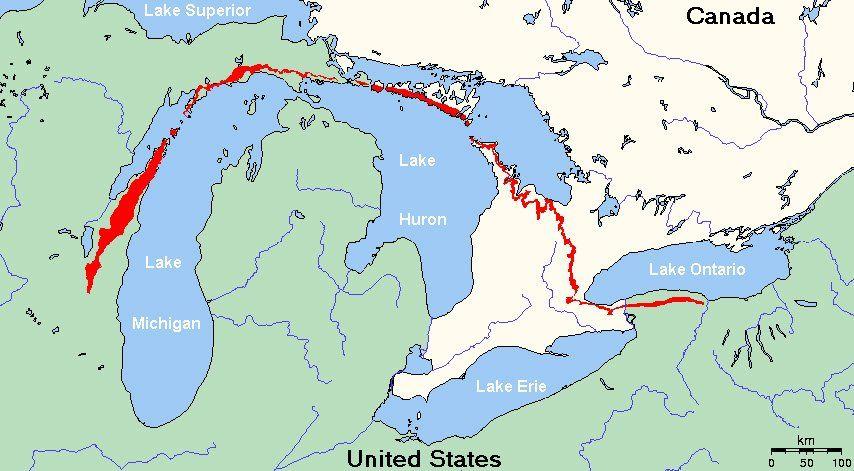
Some of the largest resorts in Southern Ontario benefit from a geological feature called the « Niagara Escarpment1« . It stretches from Manitoulin Island through Bruce Peninsula, along Georgian Bay and Lake Ontario, and ends at the famous Niagara Falls.
The Niagara Escarpment is a long chain of cliffs, more or less steep and rugged. Sometimes it’s nice rolling hills, like at Blue Mountain in Collingwood. Other times, it’s sharper and more abrupt, like at Lion’s Head or Glen Eden in Milton.
State of ski resorts in Ontario
There are dozens of ski resorts in Ontario, despite the lack of mountainous terrain. That said, many of them aren’t open to everyone.
They’re private ski clubs, meaning access is reserved for members only.
The private ski club situation
Private ski clubs are resorts that you can only access if you pay a membership fee to join.
It costs several thousand dollars just to be part of the « club« . Then, you have to pay seasonal fees, which are usually around a thousand dollars per winter.
To make things more complicated, the most popular clubs don’t accept new members—unless you’re recommended by someone who’s already a member.
So, if you don’t have connections, it’s better to just forget about the private ski clubs.
That said, there is one way to enjoy them without going broke: get invited by a member for a ski day (you’ll still have to pay for the day pass though).
Public ski resorts
On the flip side, thankfully, there are ski resorts that are open to everyone.
The largest ski areas in Ontario are thankfully public. But the prices are not in the same range as what you’d find in the French Alps.
There’s a reason for that: the limited number of ski resorts in southern Ontario, combined with a large population base (about 5 million people). High demand, low supply—so even the smallest resorts with fewer than ten runs and less than 100 meters of vertical drop will charge between $50 and $80 for a day pass.
Skiing off-piste
Backcountry skiing in Ontario
The near-total lack of elevation and very low altitude don’t make for good backcountry skiing conditions.
When there is elevation, it’s used by the ski resorts. Otherwise, the thick vegetation and dense forests will probably make you give up… But hey, you can still give it a shot!
There are a few backcountry options around the Sault Ste. Marie area. But it’s so remote and hard to access that I haven’t had the chance to ski there. Even there, backcountry skiing is pretty minimal.
There are also some initiatives and a few spots that are decent for freeride or backcountry skiing without heading too far north. For that, you’ll want to check out the Muskoka region2.
One of the most recent initiatives is from the « West Wind Highlands Ski Touring Association« .
With an annual membership, members can ski at spots that get a good amount of snow and have enough slope to carve some powder turns. The association aims to develop backcountry skiing, which is nearly nonexistent due to the mostly flat landscape.
Still, there are currently three identified spots in the Muskoka region, about 3 hours north of Toronto. The verticals are modest—between 100 and 150 meters—but if you get a good snow day, it can be deep and enjoyable. Just remember: Ontario doesn’t have ideal conditions for serious skiing, so don’t expect too much.
Off-piste (or freeride) skiing in Ontario
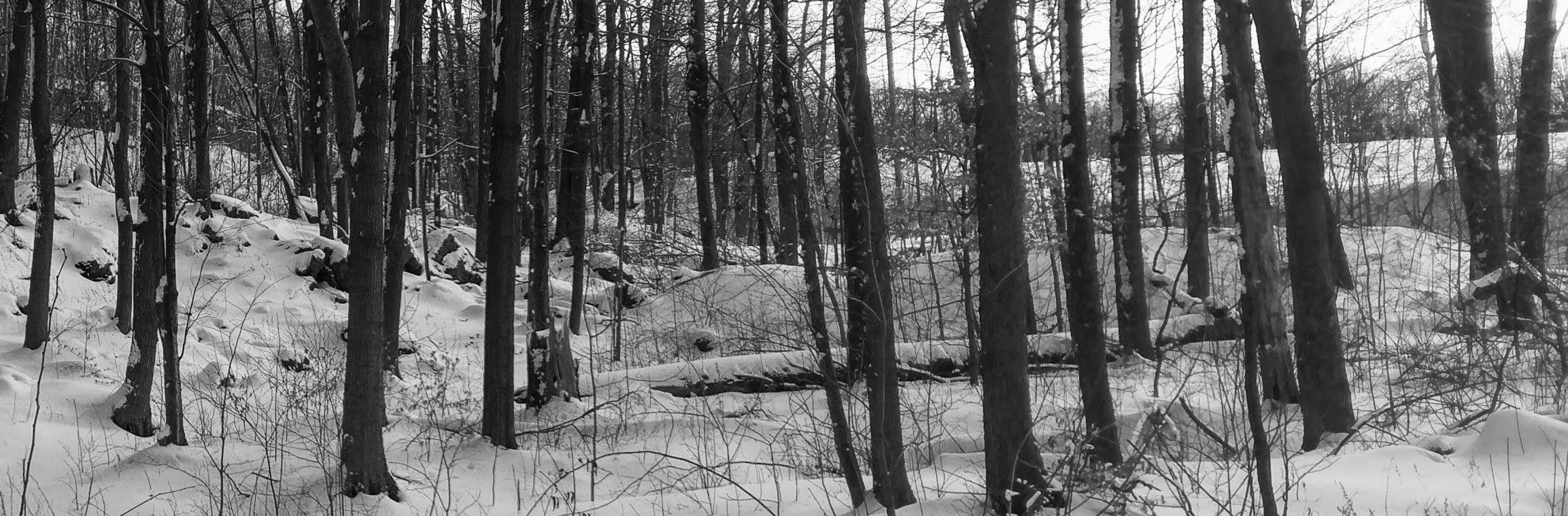
Building on the previous section, low elevation means any venture off the trails turns into a battle with trees, roots, branches, and stumps. The forest is way too dense for real off-piste skiing.
Some resorts offer glade skiing (like in Quebec too). It’s basically semi-marked off-piste. But as the name suggests—trees, roots, rocks, and ice patches will quickly kill your curiosity.
In Ontario, you ski on the groomed trails, period.
Blue Mountain, Collingwood
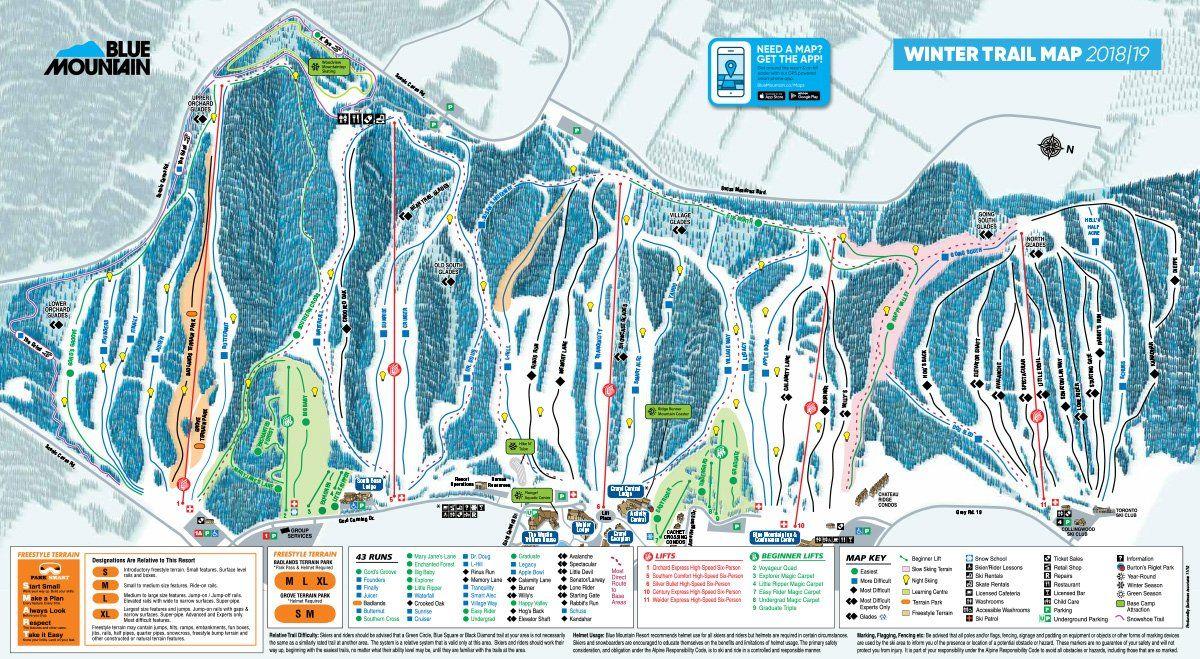
This is the most well-known and busiest resort in Southern Ontario. A decent number of runs, and a huge vertical (220 meters) for the region. It’s about a 2-hour drive from Toronto. Just head straight north.
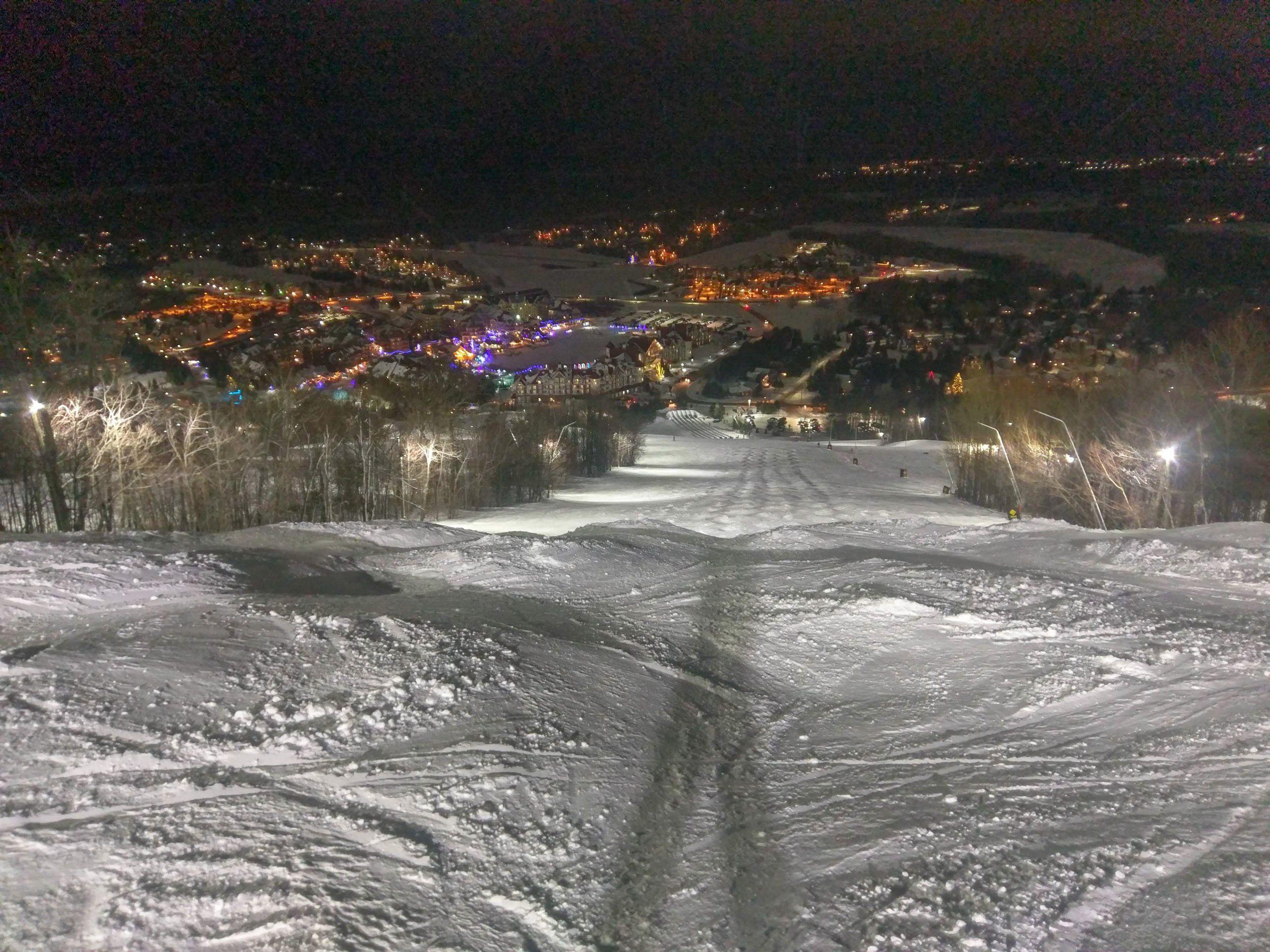
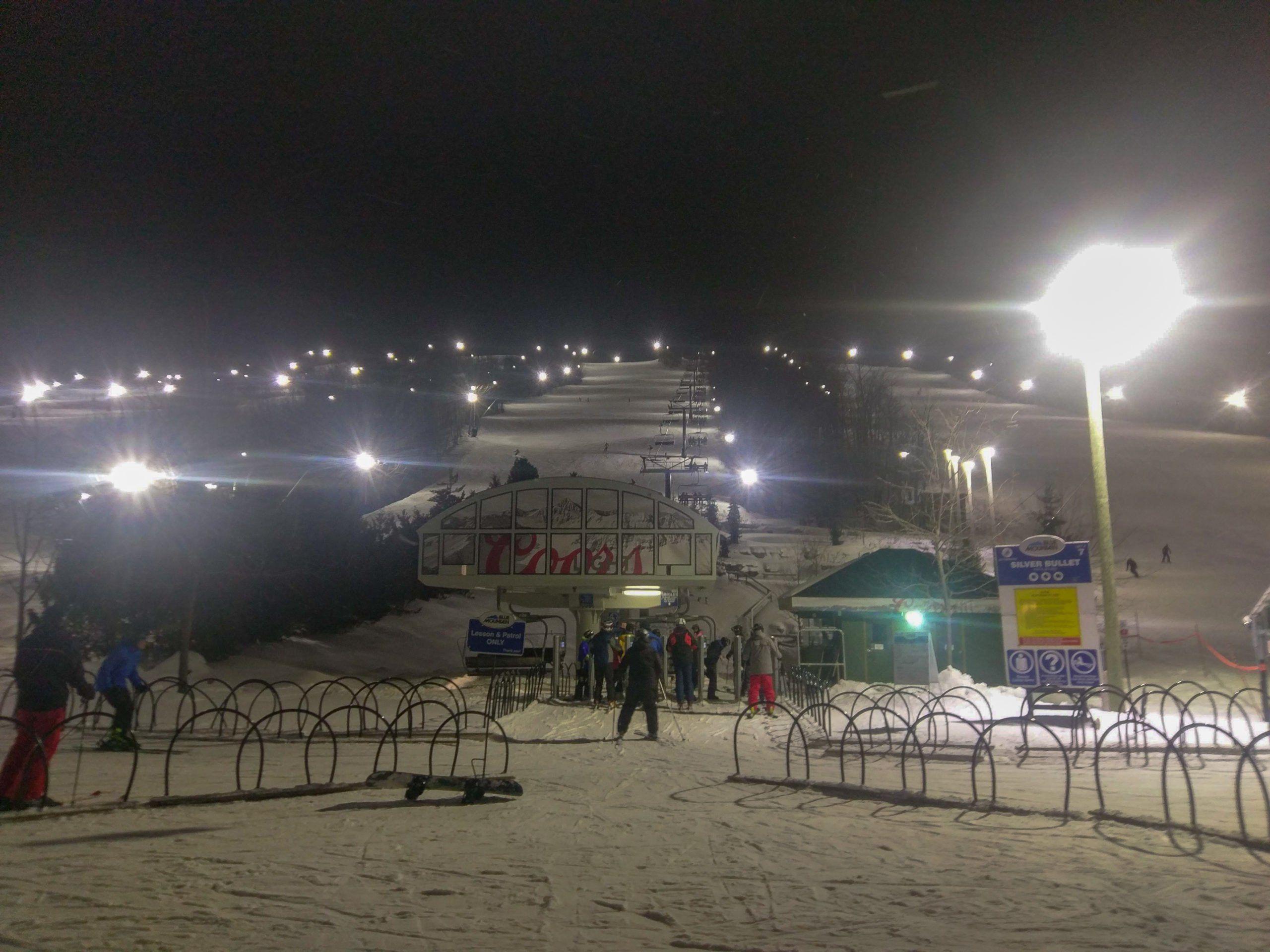
Awesome views over Georgian Bay, part of Lake Huron. Skiing with a lake view is a nice perk. On the downside, day passes cost $100, and there are long lift lines, even with lots of six-pack chairs. You’ll wait longer than you’ll ski.
The runs are fairly diverse, with changing terrain and slopes for all levels. The snowpark has good, varied features. One of today’s top slopestyle skiers, Evan McEachran3, is a local here.
When the slopes are well groomed, some are a real pleasure to ride—especially at night, when the Sunday skiers are off having dinner in the village. Tranquility and Smart Alec, located on either side of the Silver Bullet 6-seater, are wide and perfect for carving, switch riding, or short turns.
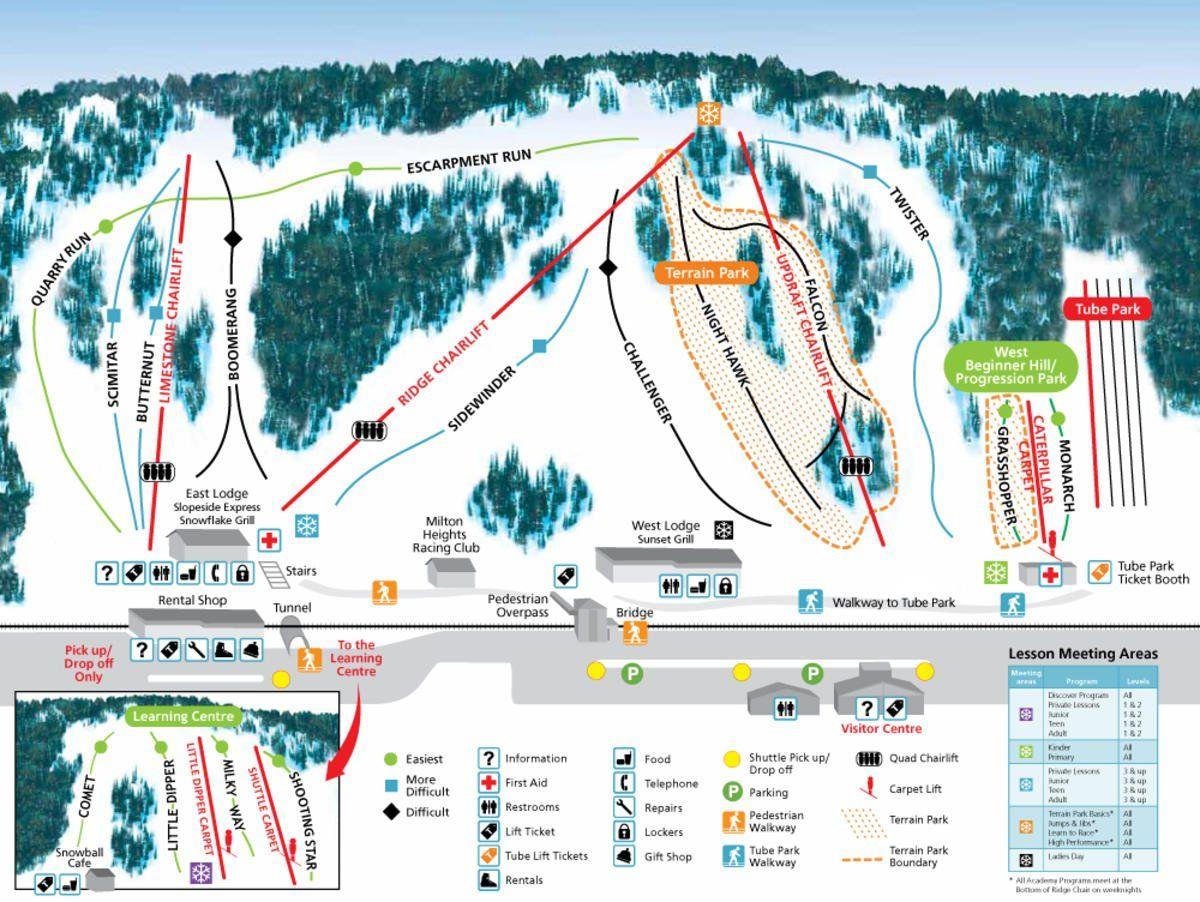
Glen Eden, Milton
This resort has a low vertical (75 meters) but a varied terrain. It offers a mix of parallel runs, some through trees, others wide and enjoyable. But the lack of vertical really limits its appeal.
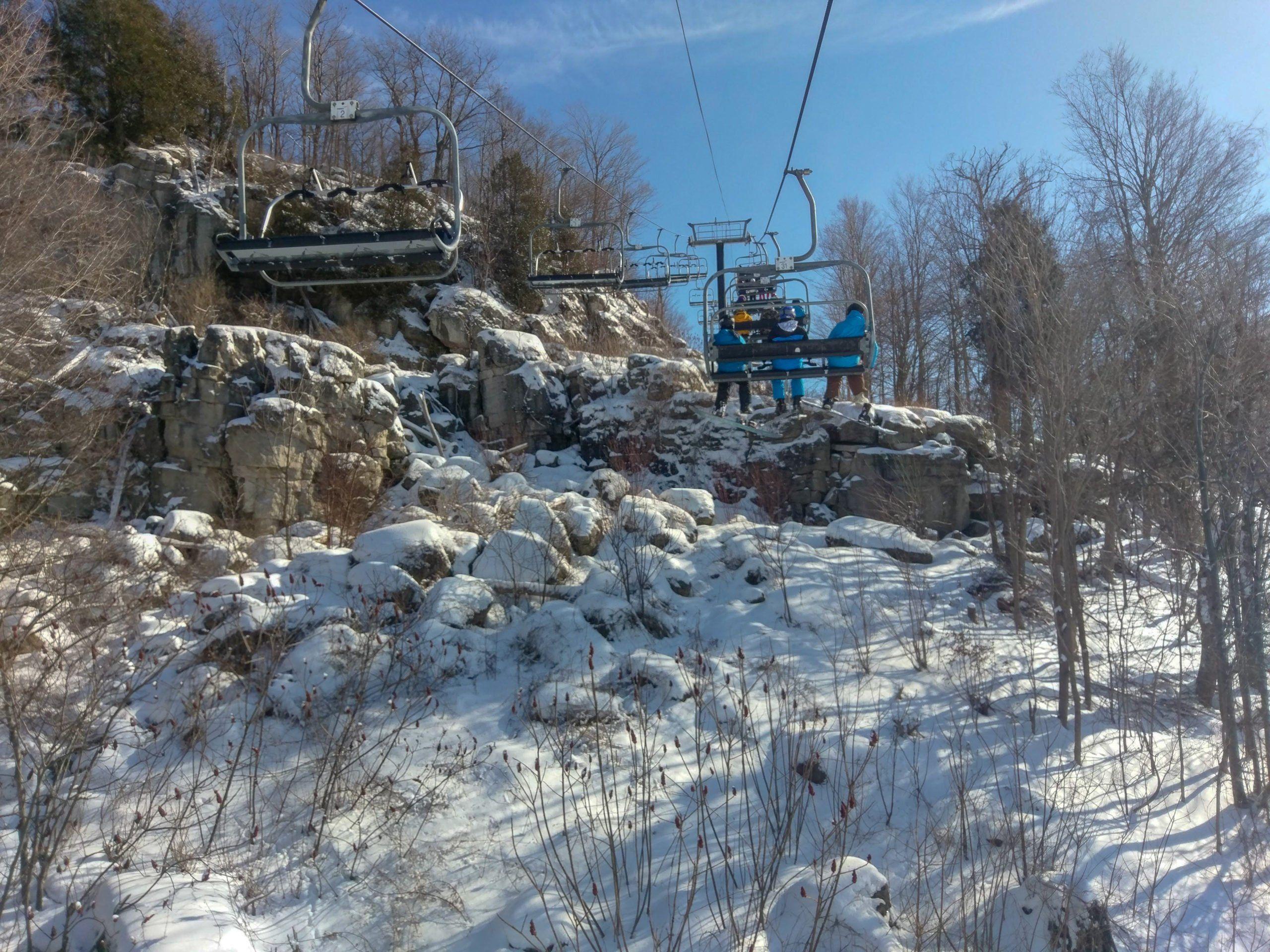
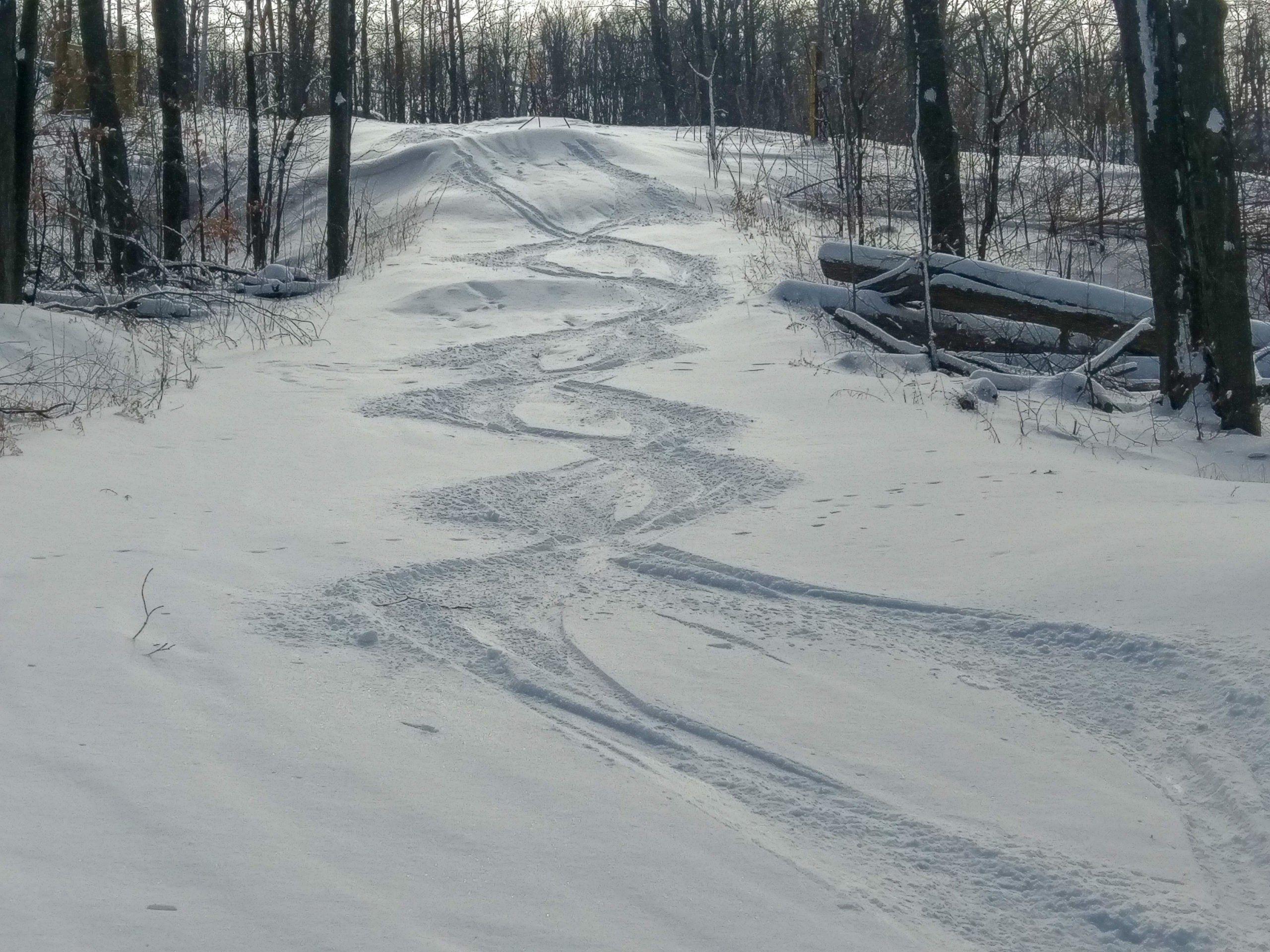
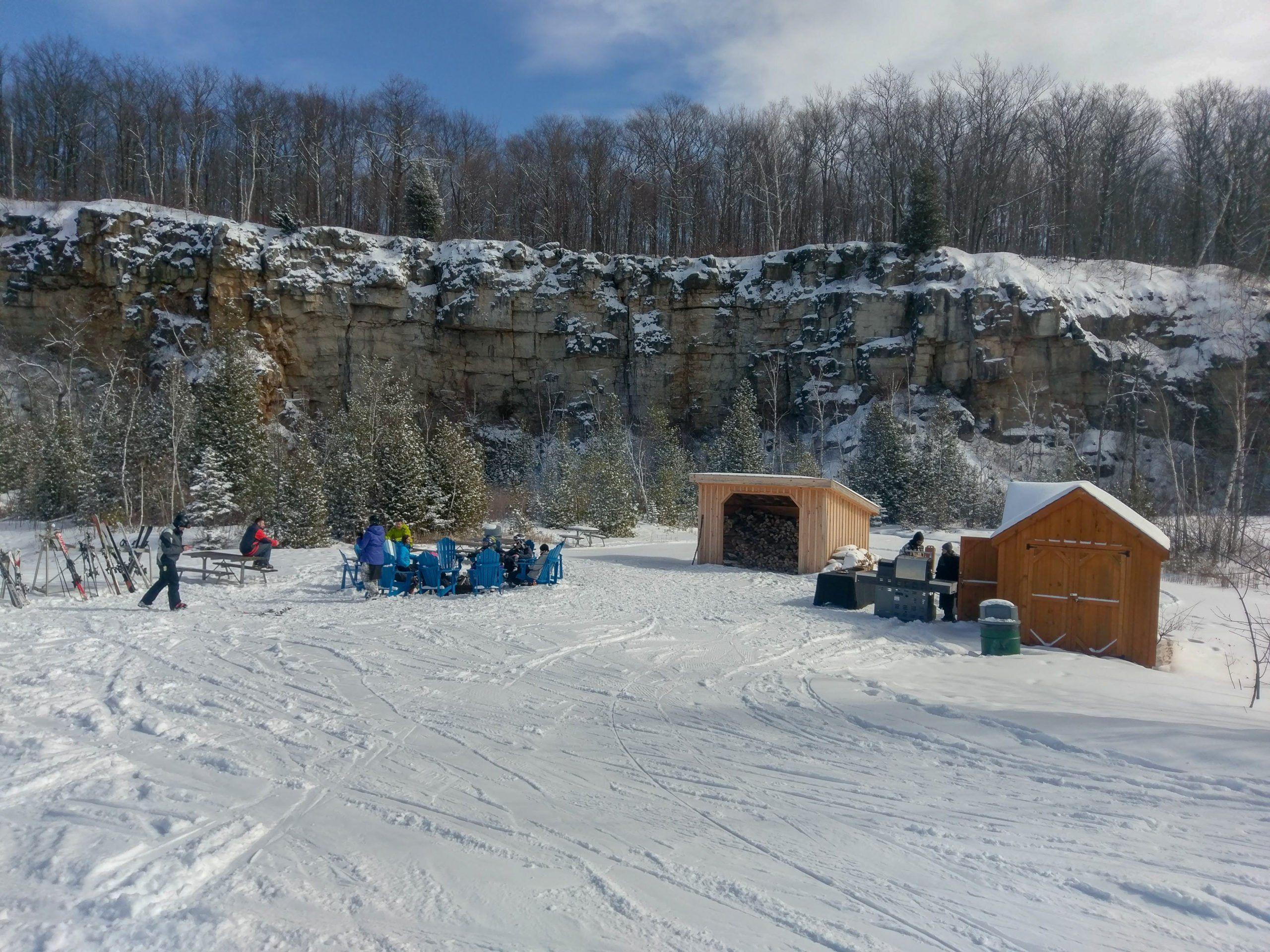
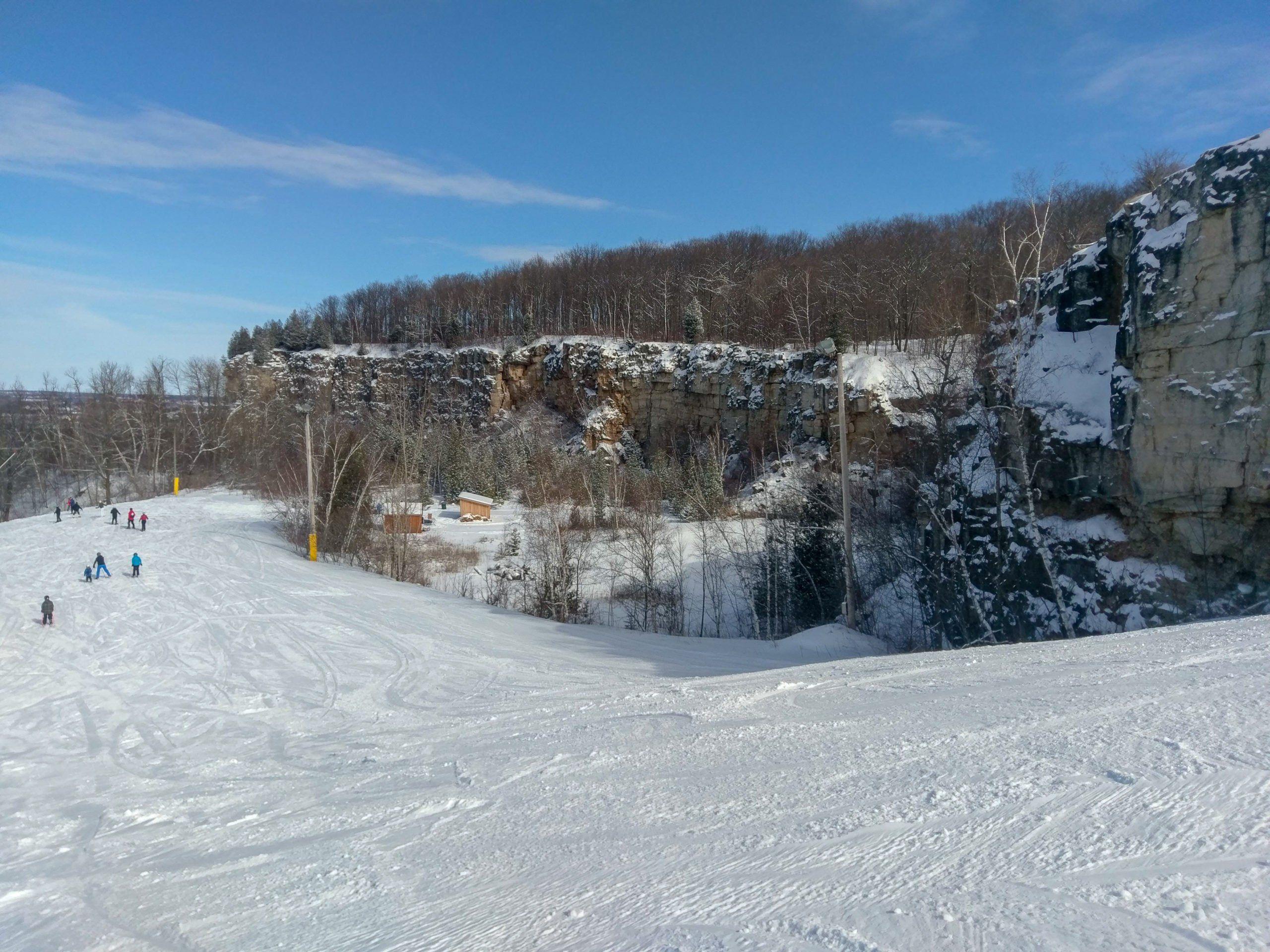
You can spot this resort from Highway 401, which connects the Detroit–Toronto corridor. There’s a full snowpark with tons of rails and even some well-shaped kickers. But the resort relies heavily on artificial snow. On top of that, the average skier level at Glen Eden makes the slopes sketchy fast. The snow gets scraped and shaved down to the icy base quickly.
The view and sound of Highway 401 don’t exactly help the experience.
Still, just 45 minutes from Toronto, you can catch a glimpse of mountain vibes. The steep cliffs surrounding the resort give it a bit of charm. There’s even a small unmarked glade area at one end of the resort—but watch out for roots, stumps, and dead trees.
Chicopee, Kitchener
Probably one of the smallest resorts I’ve ever skied in my life. With a reported vertical of 60 meters (feels more like 45 in real life), and three chairlifts, you can basically cover the entire resort in under 15 minutes.
You can cover the entire resort in under 15 minutes!
The real draw here is the $25 evening lift ticket and a mini snowpark that’s fun and away from the crowds. Not bad for a chill end-of-day session.
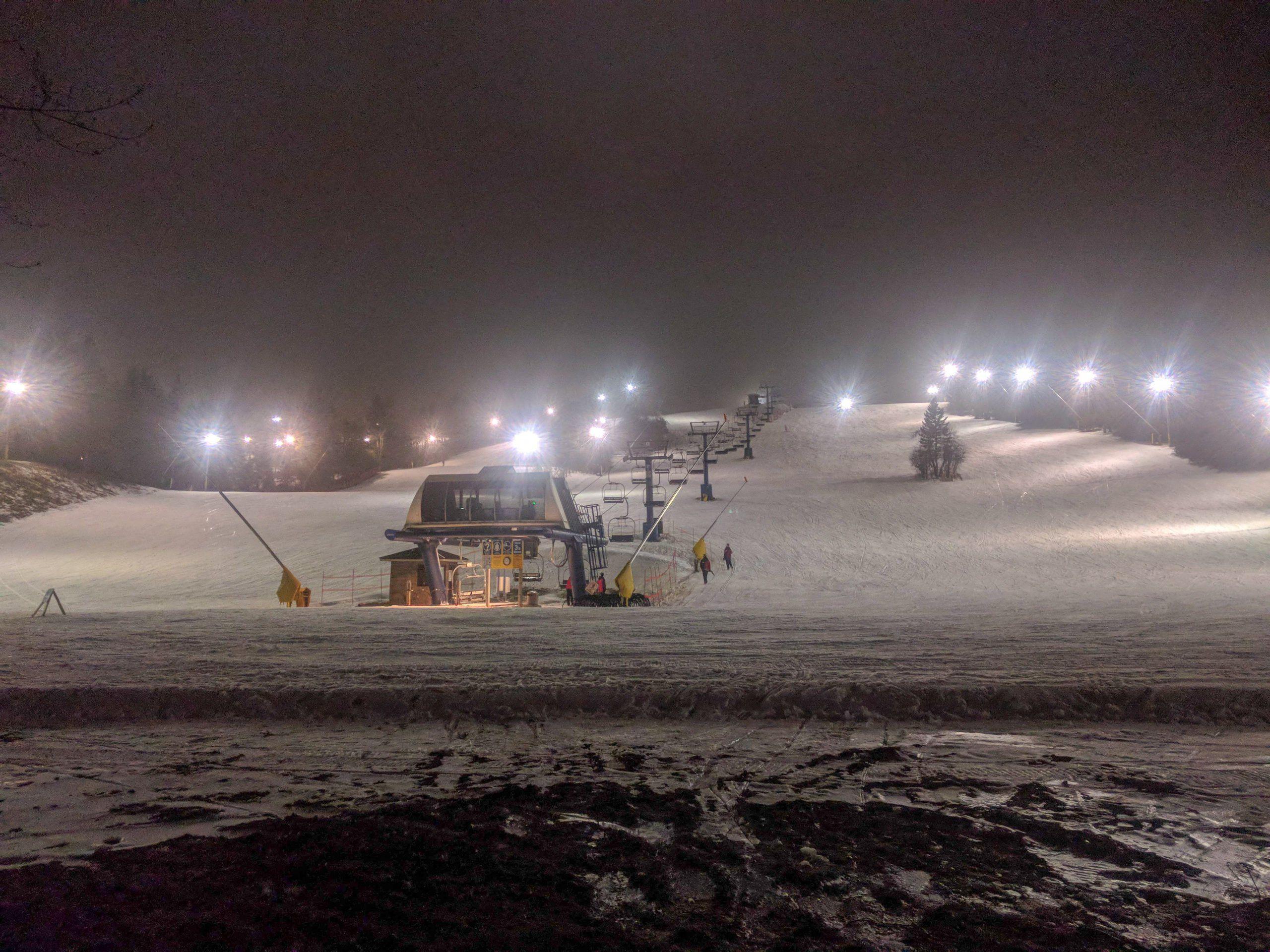
Avoid weekends—the lift capacity is way too low.
Still, there’s a legit unmarked freeride area between the trees, no grooming, no signage. You won’t have to fight through branches, but it gets tracked out fast and it’s really flat and short.
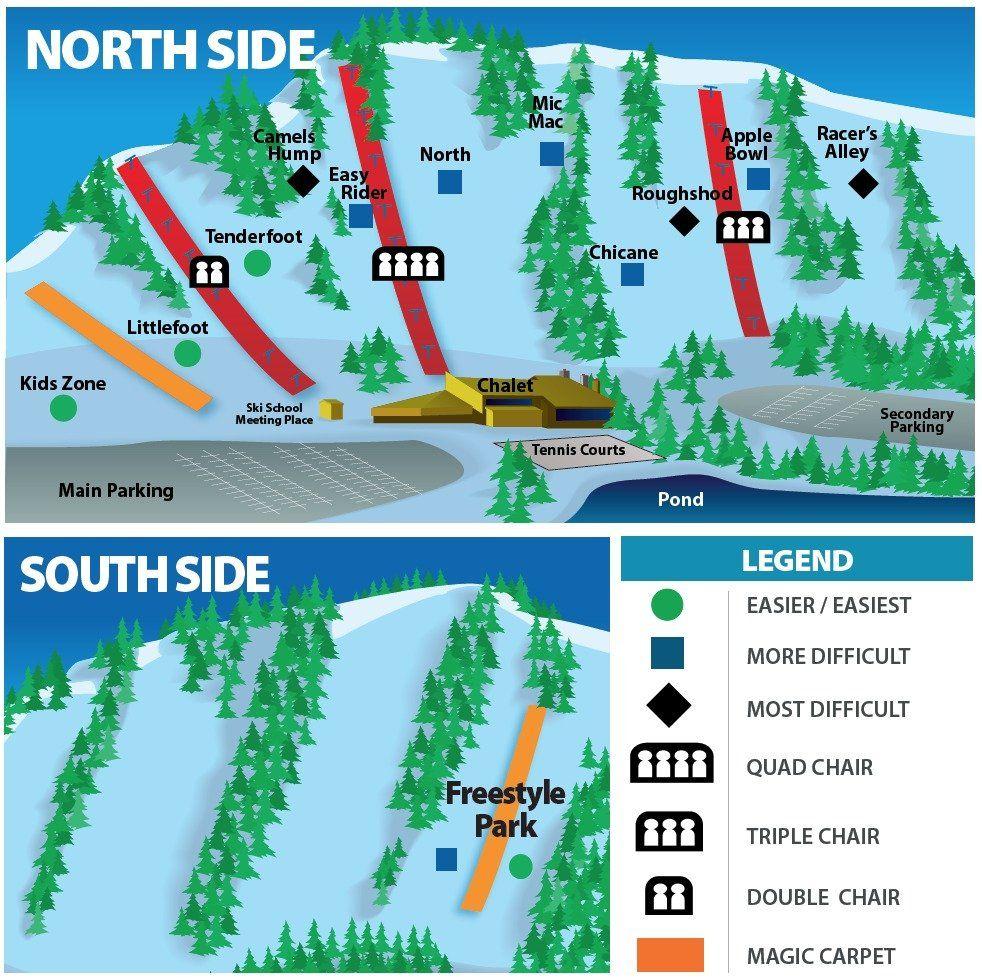
Other ski resorts
The resorts described above are all located in Southwestern Ontario. There are many other ski resorts further east, along the Quebec border. Those resorts generally have better vertical and slightly longer ski seasons thanks to more stable and lasting winter conditions.
The list is long, but I’m only covering the ones I’ve actually skied. I’ll obviously update this article once I’ve checked out more areas!


Your comments and questions